
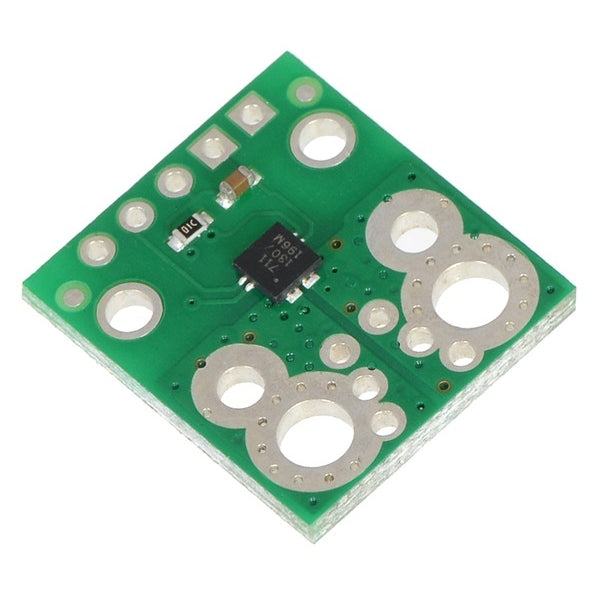

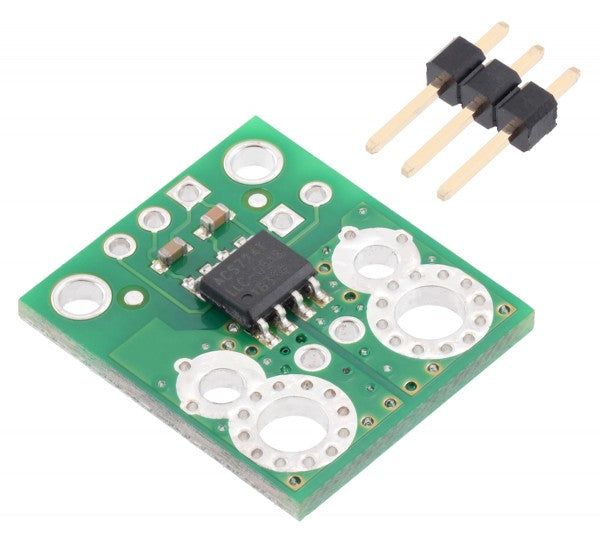
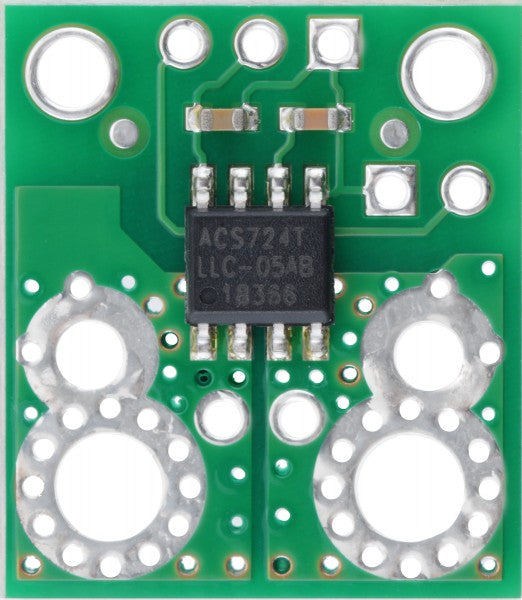
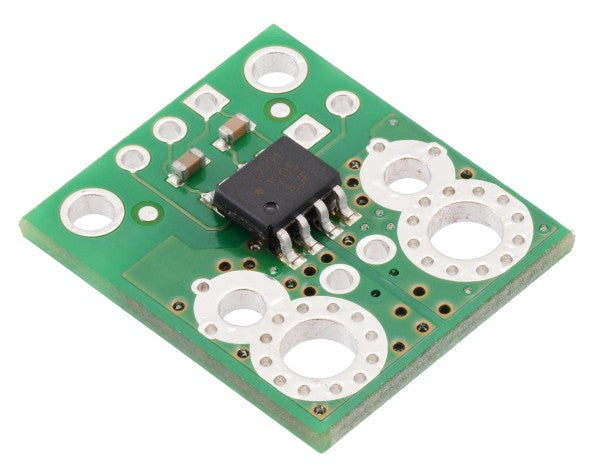
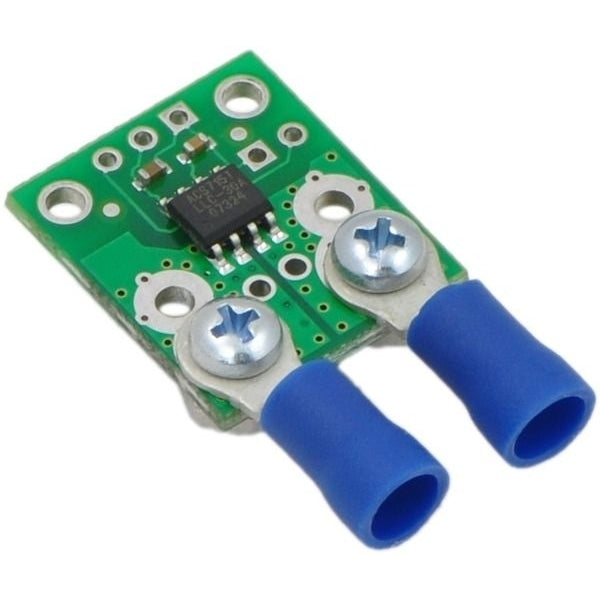
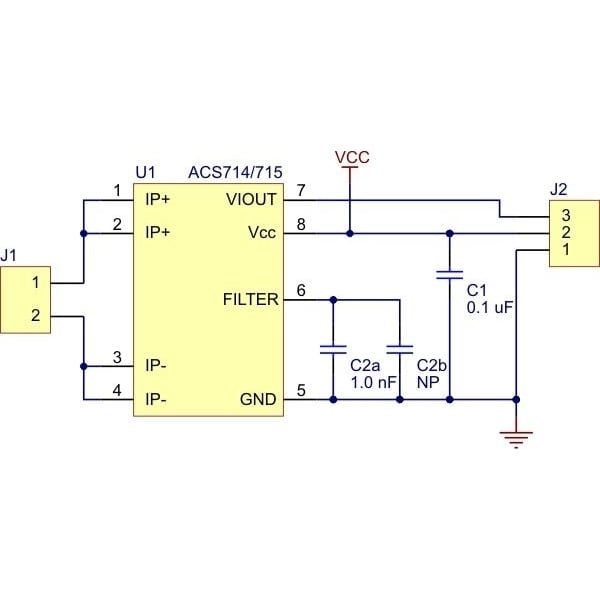

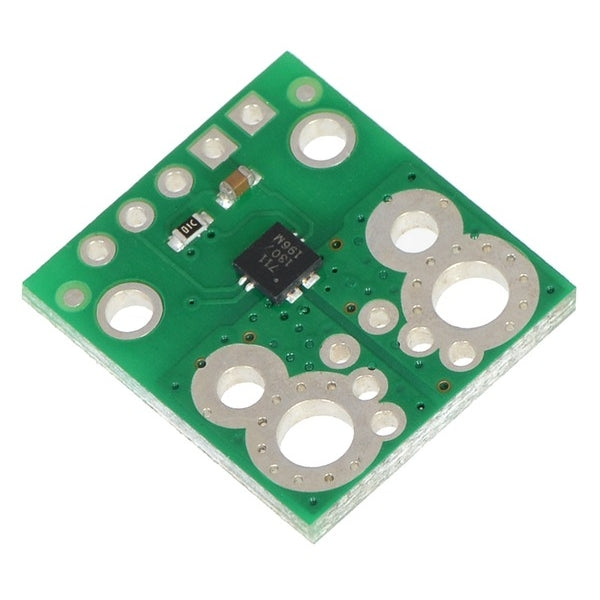
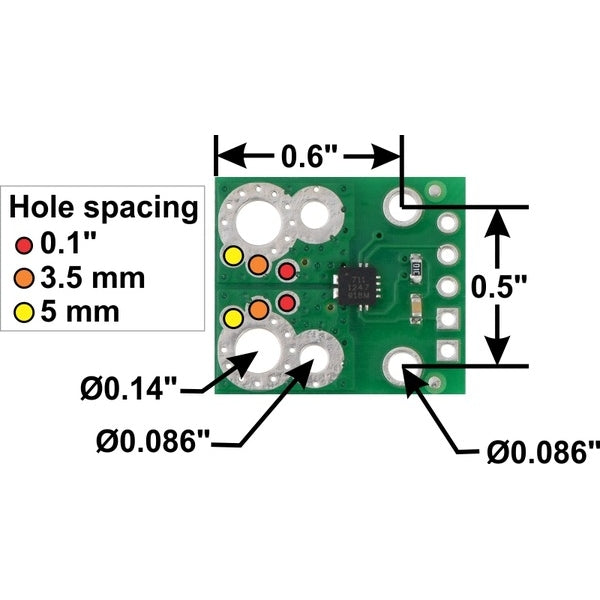


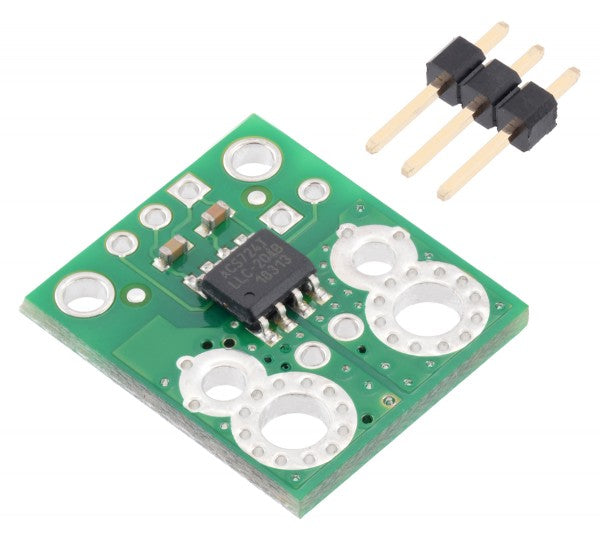


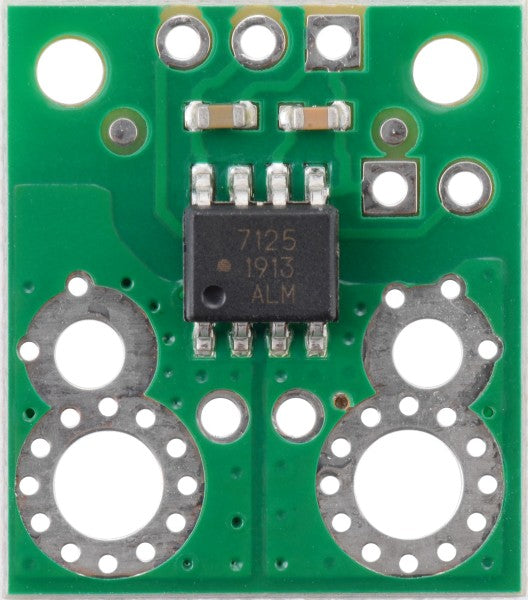
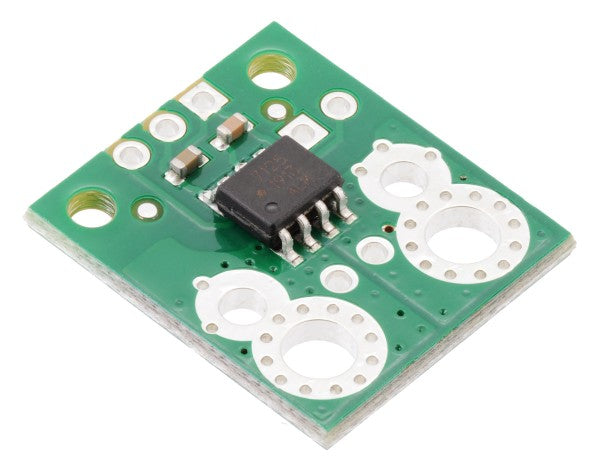

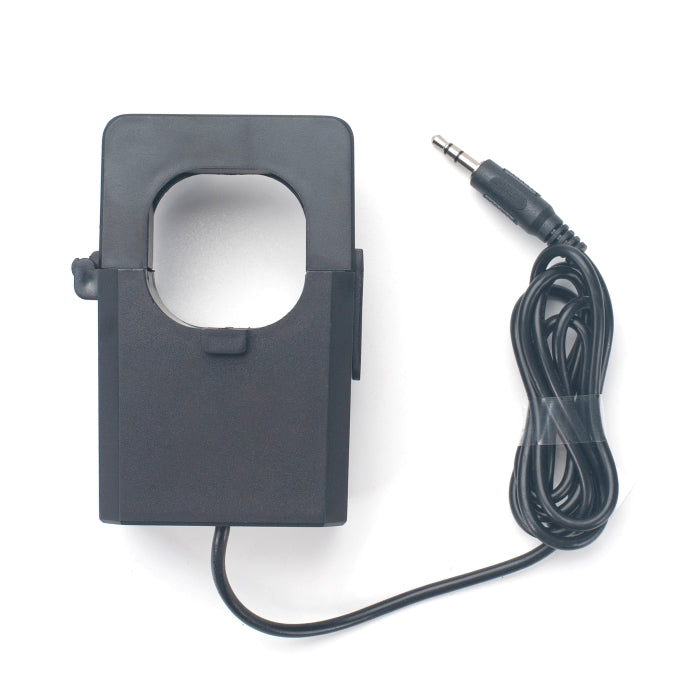


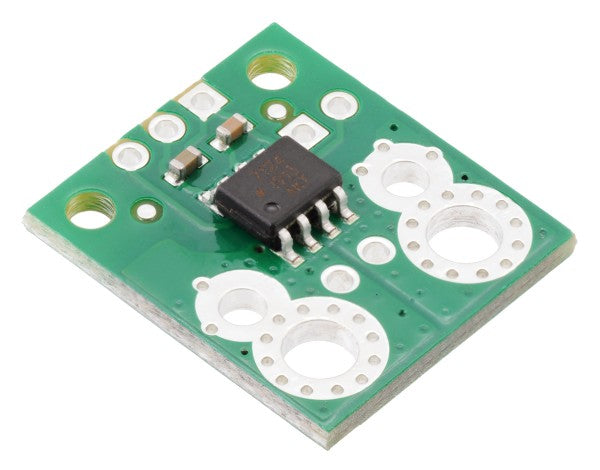


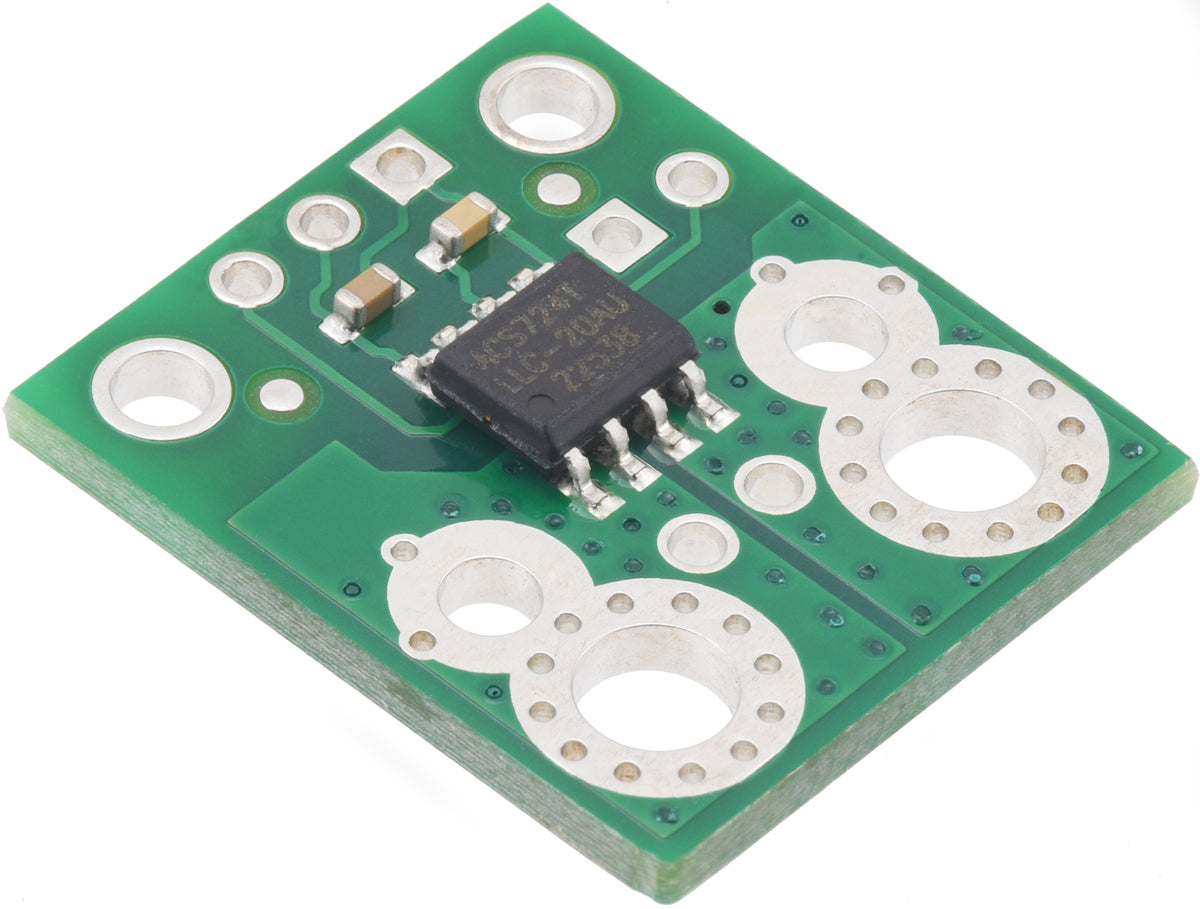
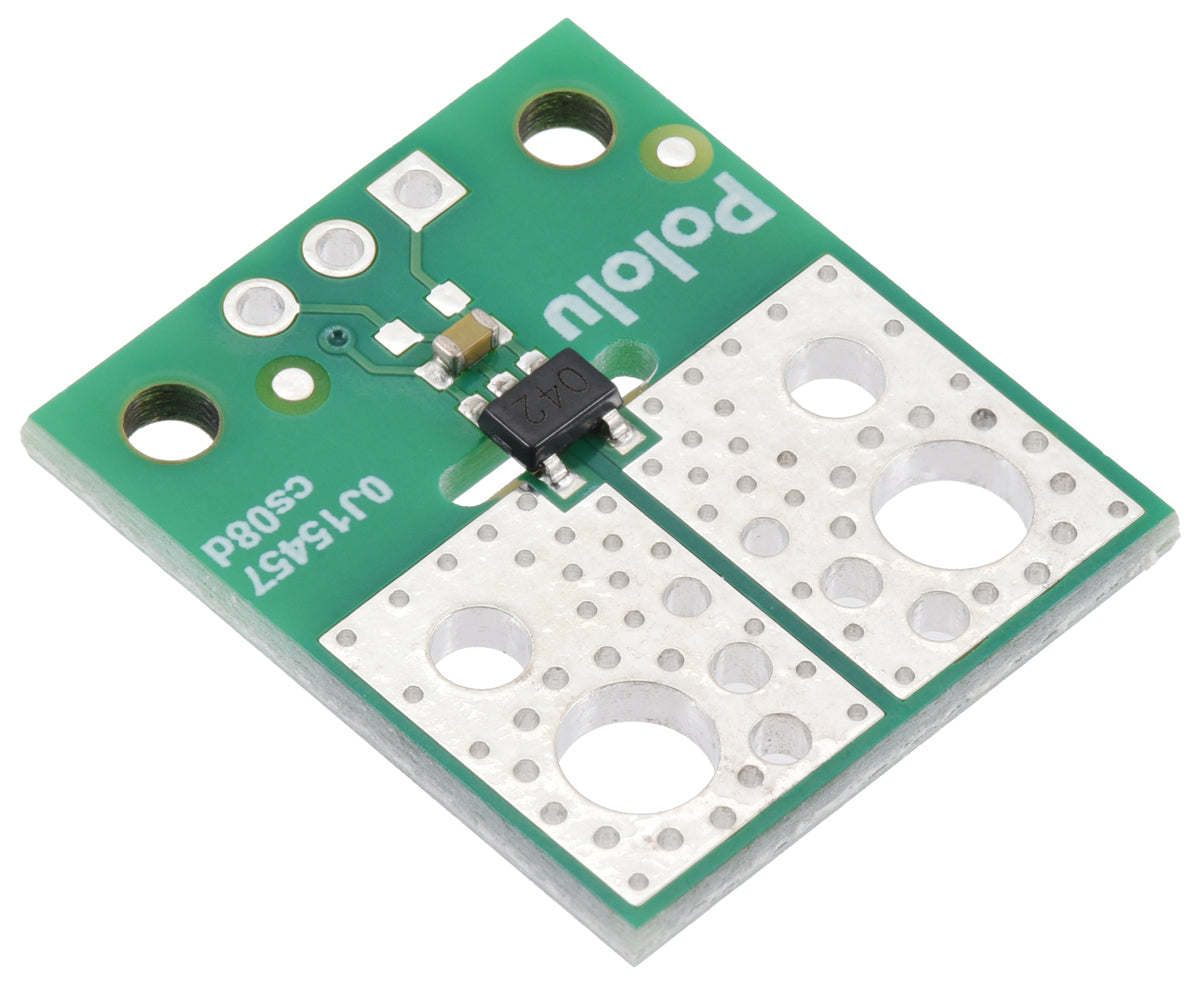


What are current and voltage sensors?
They are basically sensors that measure relevant electrical parameters and are suitable for a wide range of applications:
- A current sensor detects the current strength in amperes.
- A voltage sensor measures the current voltage in volts.
There are also combined components that detect the current strength and voltage at the same time. Measurement is carried out using different methods, so it is worth taking a look at the detailed product description. Current sensors can be categorised into alternating current and direct current sensors, for example. Direct current sensors can also measure alternating current, while alternating current sensors are only suitable for alternating current. In addition, there are various subtypes such as thermal current sensors and current sensors with the Faraday effect.
What is the purpose of a current and voltage sensor?
The function of current and voltage sensors has proven to be helpful or indispensable in a variety of technical environments.
Examples of applications are:
- Automation technology
- Automotive engineering
- Energy systems
- Power electronics
The sensors fulfil different tasks here. For example, they can be used for mere monitoring. Users can read the current measured values of the sensor on a display or on a computer. In many cases, a current and voltage sensor is part of a protective mechanism. If the measured values exceed a specified value, the machine or system automatically shuts down.
Current and voltage sensors can initiate many more automated steps within complex electronic environments. To do this, you can use an Arduino AC current sensor and program it accordingly.
Wide range of current and voltage sensors at EXP Tech
If you want to accurately measure the current or voltage in electrical systems, you will find the optimal solution here in our shop. Choose from a wide range of current and voltage sensors – pay attention to the following criteria, among others:
- What values does the sensor measure (current, voltage)?
- Does a current sensor refer to alternating or direct current?
- What is the measuring range of the module?
- With what accuracy does the sensor provide data?
- Is the respective current sensor or voltage sensor compatible with Arduino and Raspberry Pi?
Ideally, you should start by identifying the requirements for your project. On this basis, you will quickly find the right sensor for current or voltage measurement at EXP Tech.
Frequently asked questions about current sensors and voltage sensors
Below, we answer some questions about current and voltage sensors. If you have any further questions or would like a personal consultation, please write to us using our contact form. We will be happy to advise you!
Which sensors are best for voltage detection with Arduino?
There is no general answer to this question. However, it is essential that Arduino and the voltage sensor are compatible. When choosing the perfect voltage sensor, you should consider your individual requirements. Criteria such as measuring range and accuracy of the measurement differ depending on the specific purpose.
How does a current sensor work?
There are various types of current sensors, and they work in different ways. In principle, it can be said that the measurement is usually contactless. Instead, the sensors measure the magnetic flux density caused by the current flow.
How do you calibrate a voltage sensor?
The sensor is calibrated in the switched-off state: no current may flow during this process. The measured output voltage then serves as the zero offset point. This way, the sensor can be precisely adjusted.
How does an inductive sensor work?
A current sensor that works inductively usually consists of a coil. The sensor emits a magnetic field, and the measurement is contactless.
How does a capacitive sensor work?
Like inductive sensors, capacitive sensors measure without contact. However, a capacitive current sensor has a different structure: it consists of electrodes and functions like a capacitor.