
Click here to return to the LoRaWAN overview.
Buy LoRaWAN gateway – key factors to consider beforehand
To purchase a suitable gateway, several points must be clarified in advance.
-
Indoor or outdoor use
-
Range and placement
-
Transmission types
-
Protocols and frequency band
-
Data interval and power consumption
LoRaWAN gateways for indoor or outdoor use
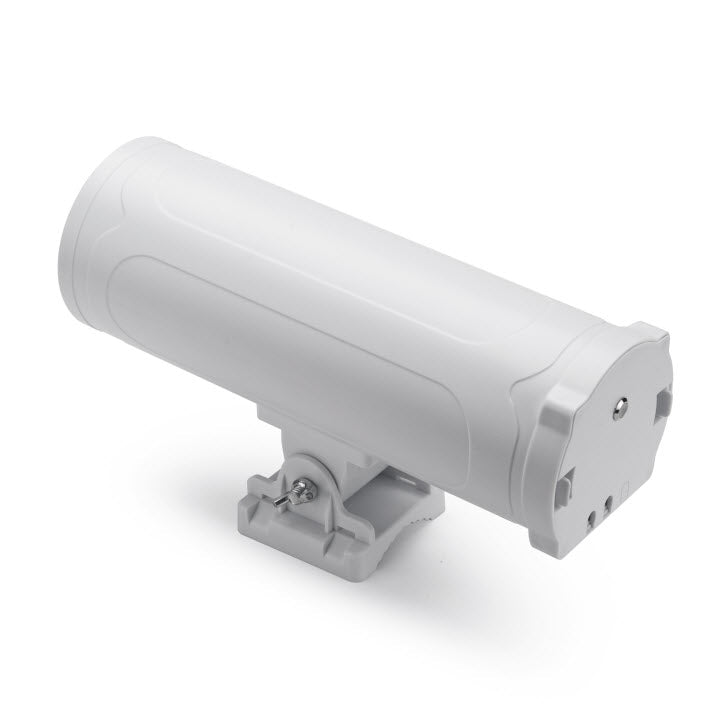
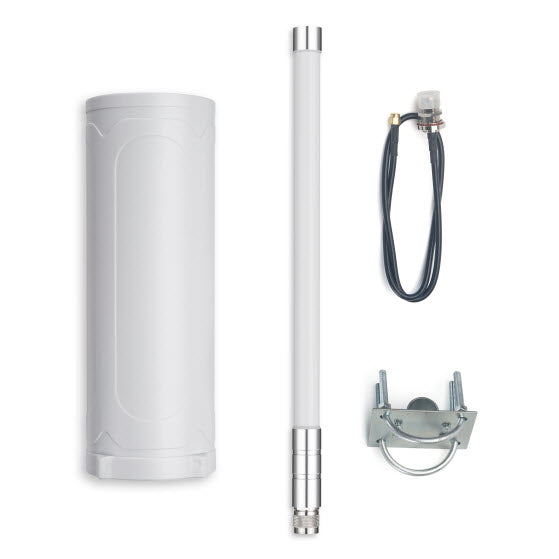
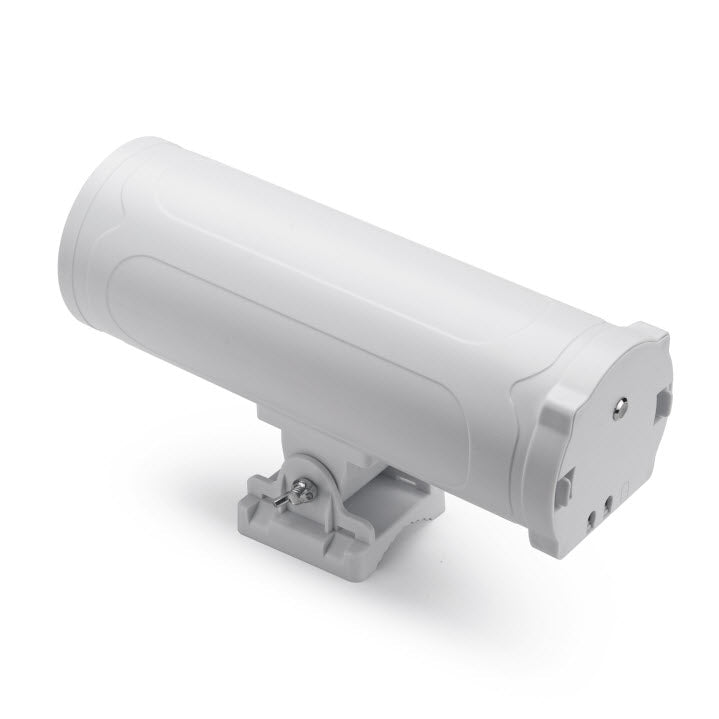
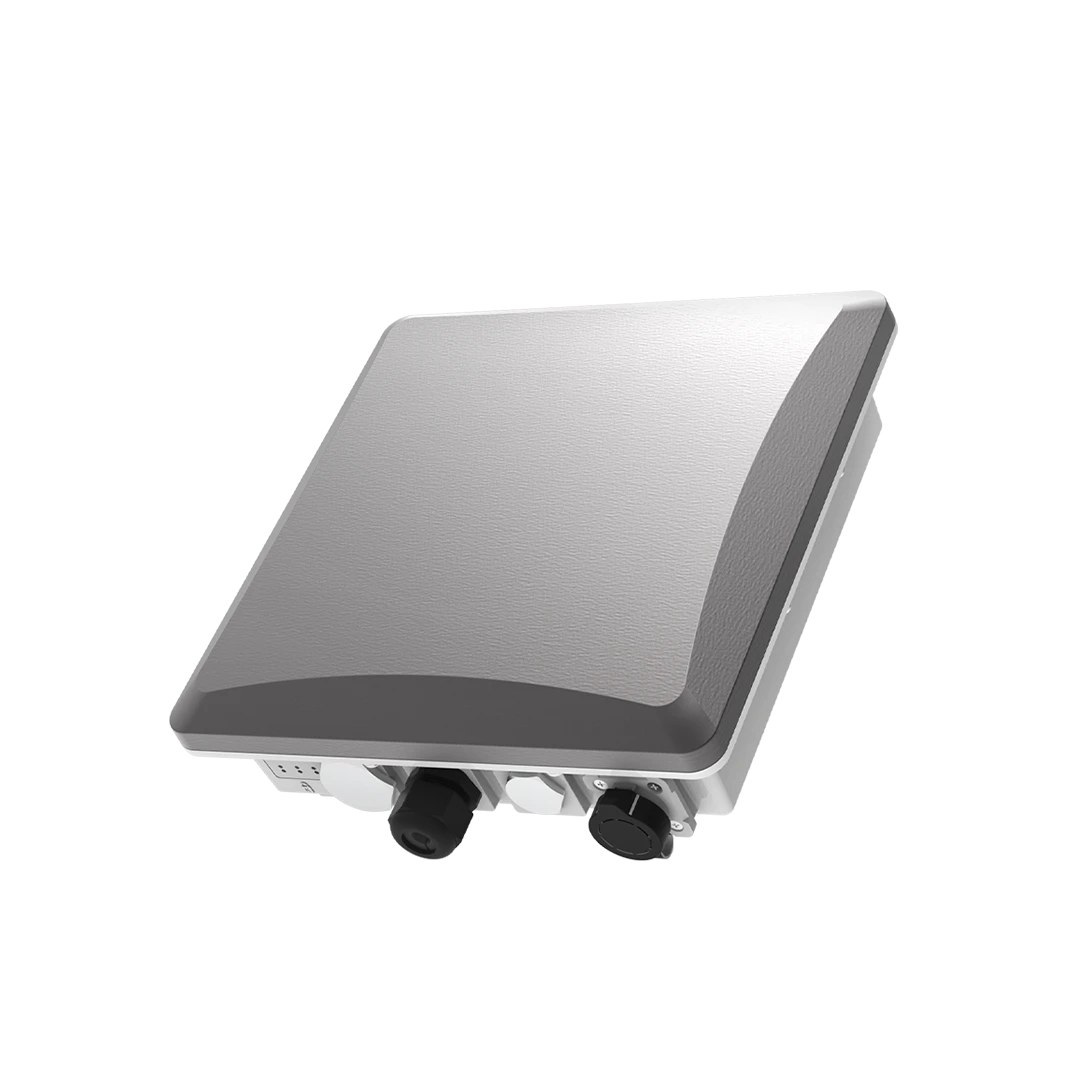
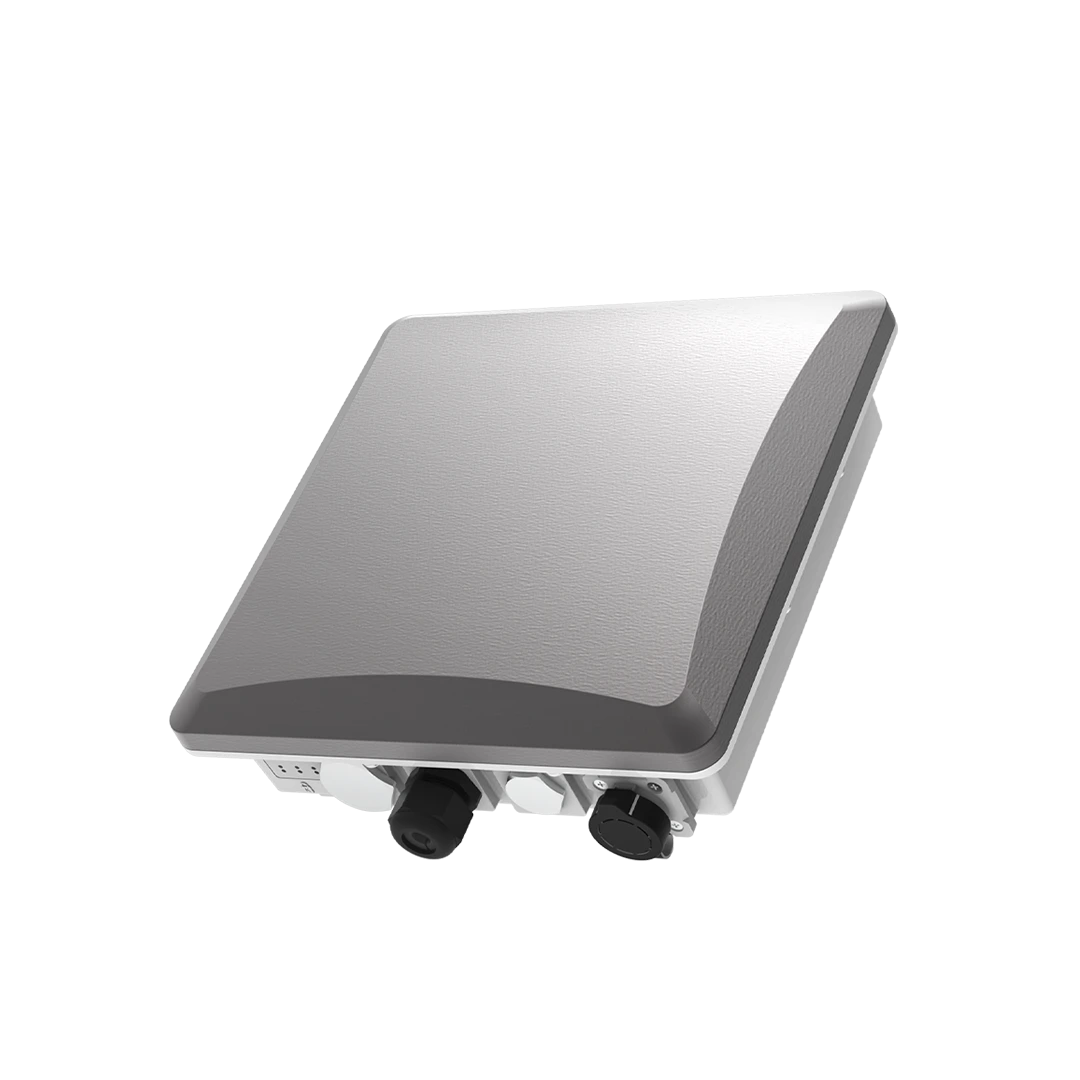
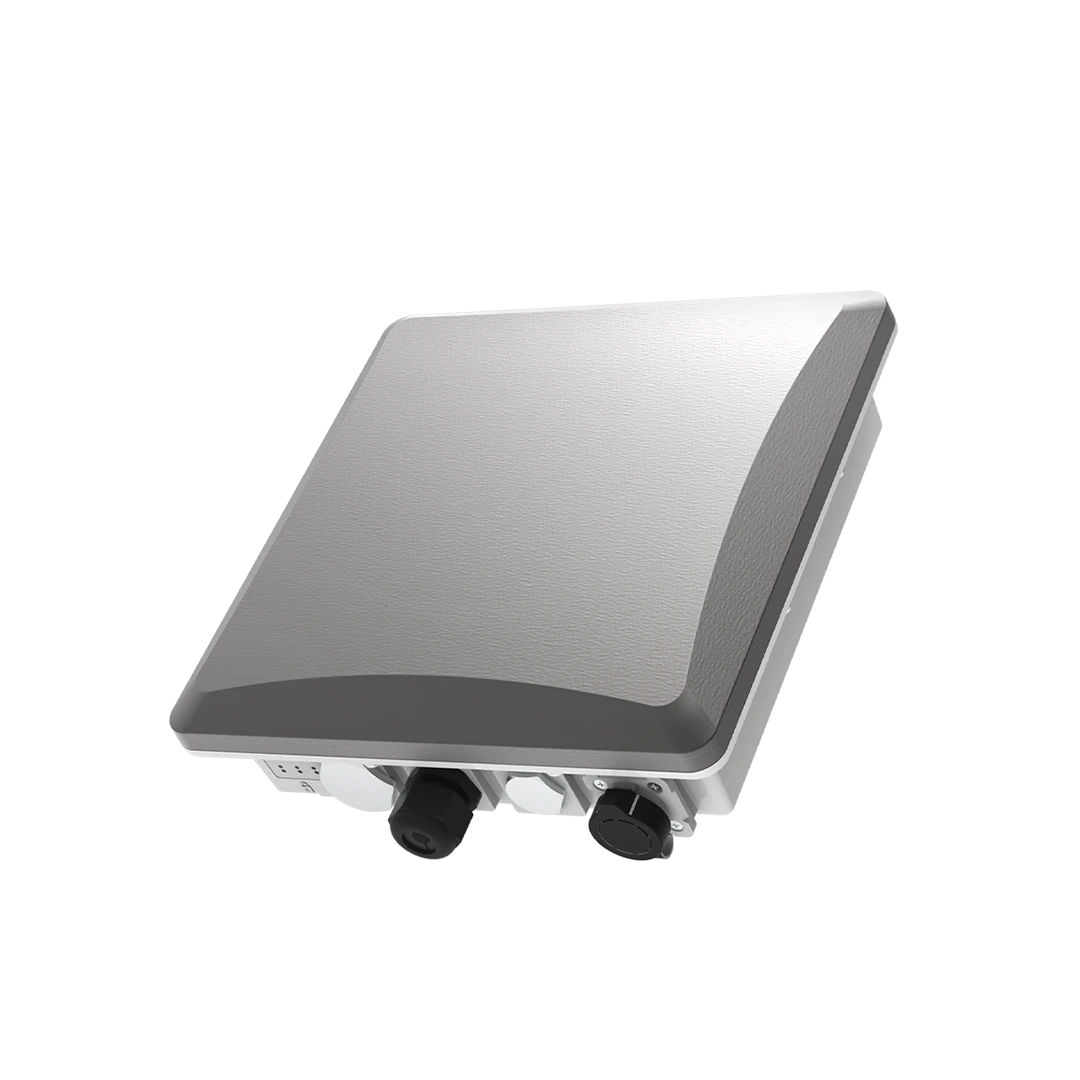
A simple first decision is whether you need an outdoor LoRaWAN gateway or an indoor product. Of course, an outdoor gateway can also be used indoors, but not vice versa—an indoor product placed outdoors may quickly reach its technical limits, which can be problematic for monitoring applications. Therefore, robustness is an important part of the preliminary analysis.
Pay attention to range
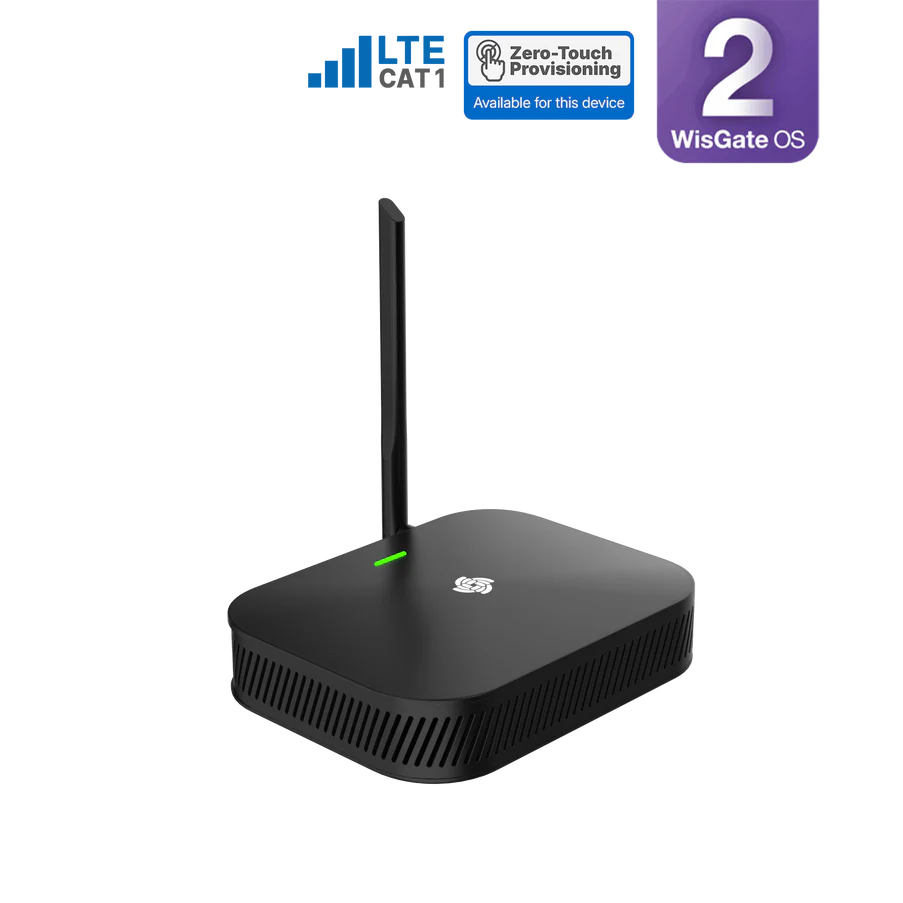
Additionally, range, proper placement, and transmission type are important. Do end devices communicate via Ethernet, Wi‑Fi, or cellular? As with the LPS8v2‑EU868‑E, some products offer all options. The best choice depends on your application area.
Protocols and frequency band
Not only interfaces, but also protocols—i.e. how communication is managed—are crucial. The same applies to the frequency band. In Germany, the 868 MHz band is standard, but other countries may use different bands.
The data interval directly affects power consumption
A final point you shouldn’t miss is the data interval. The shorter the interval between transmissions, the higher the power consumption. So consider what interval you need and which product offers it. These points must be verified before purchase to select the right model.
What are LoRaWAN gateways?
A LoRaWAN gateway allows end devices—such as LoRaWAN sensors—to communicate with the associated server or with each other, depending on the device's capabilities. This always depends on the hardware and software of the gateway. The gateway determines the communication layer and range.
Example: the LPS8v2-EU868-E open‑source gateway
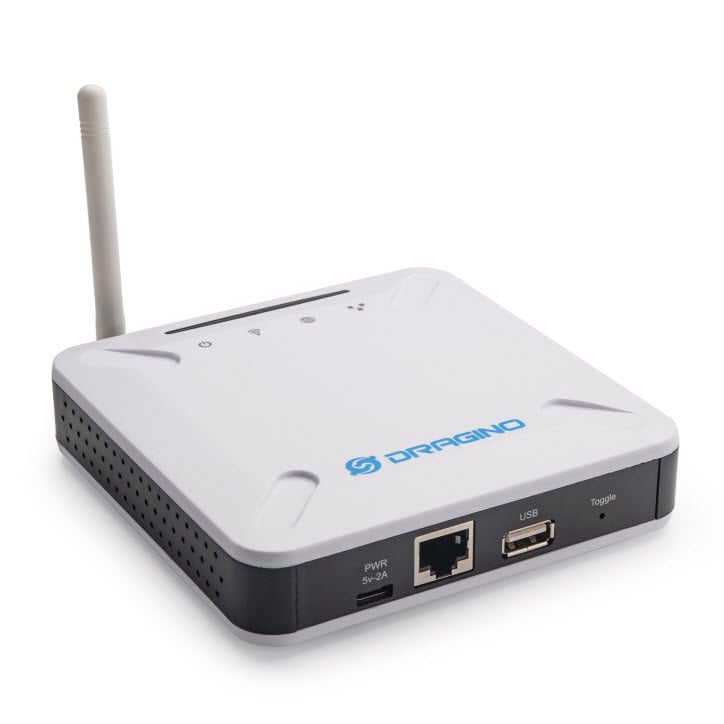
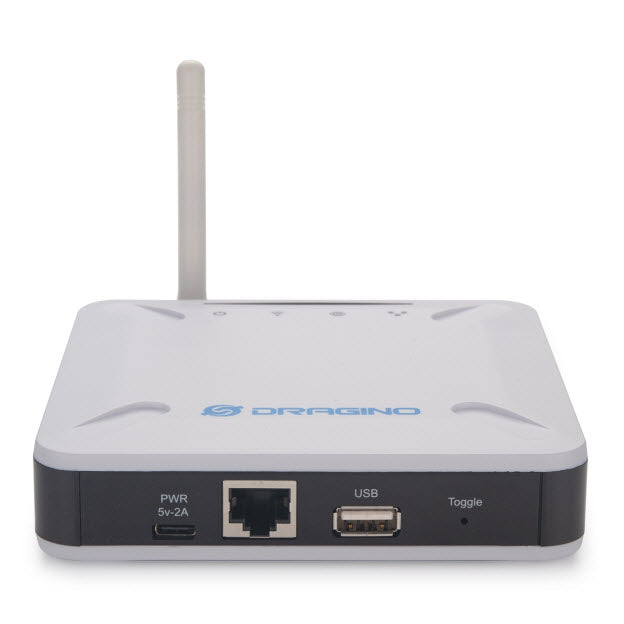
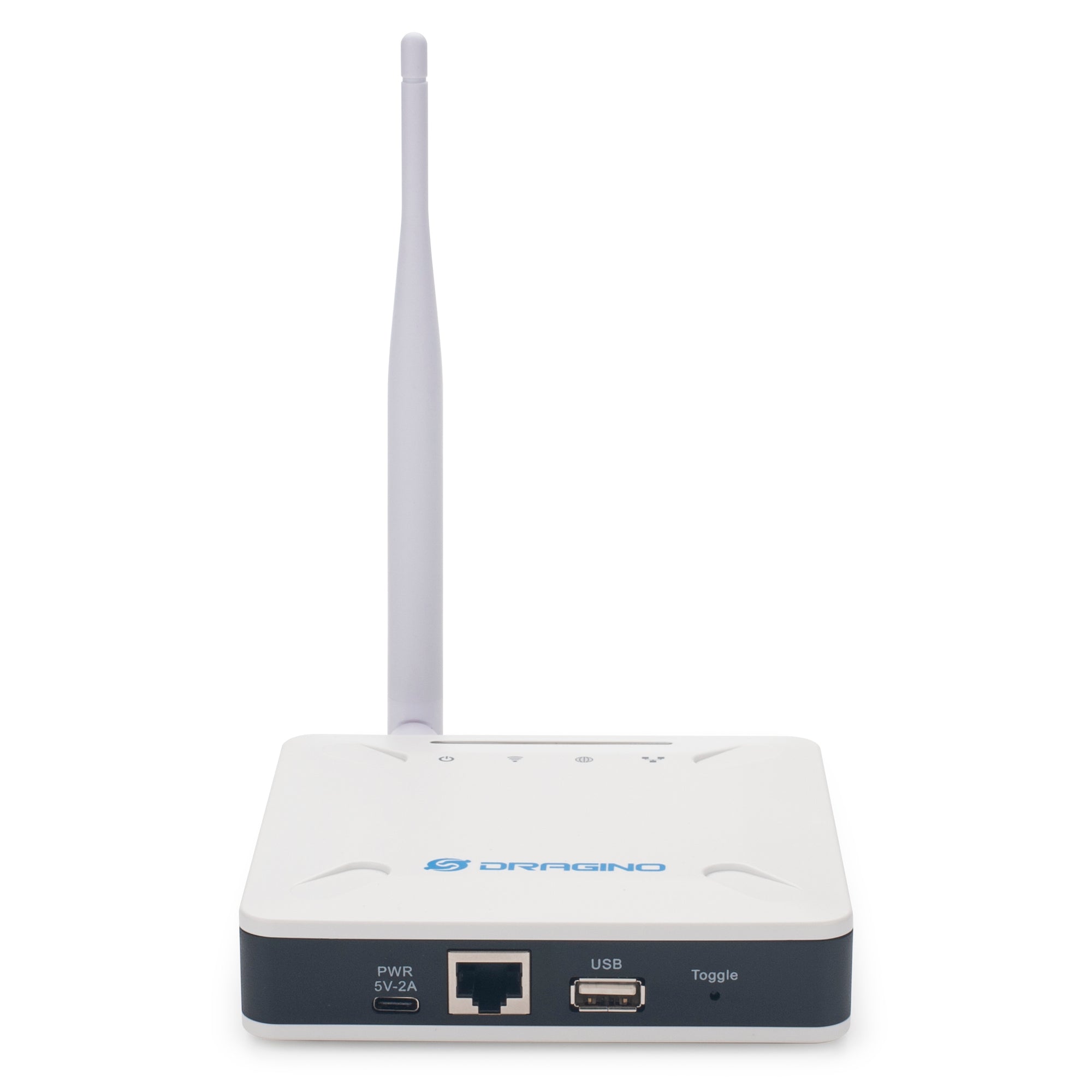
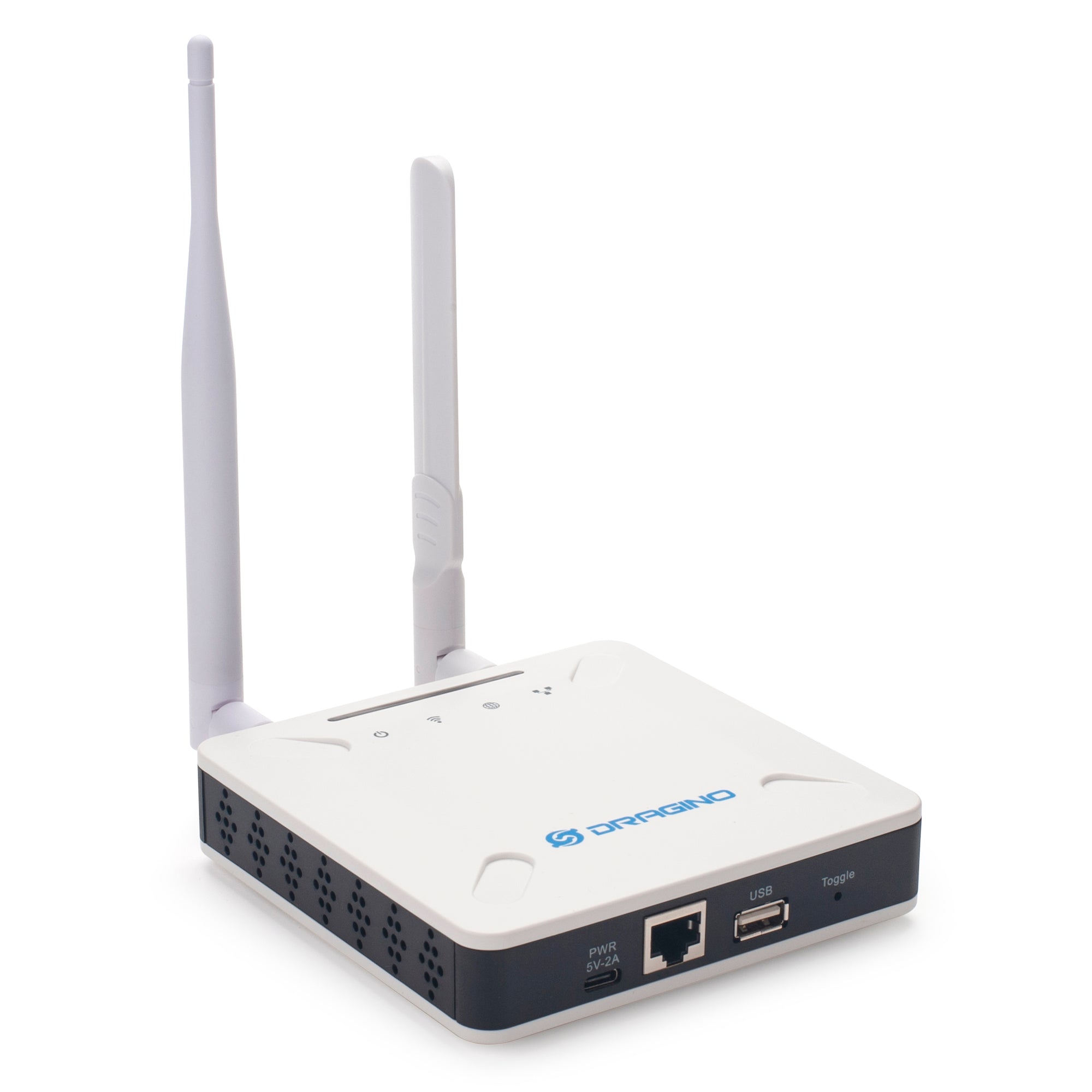
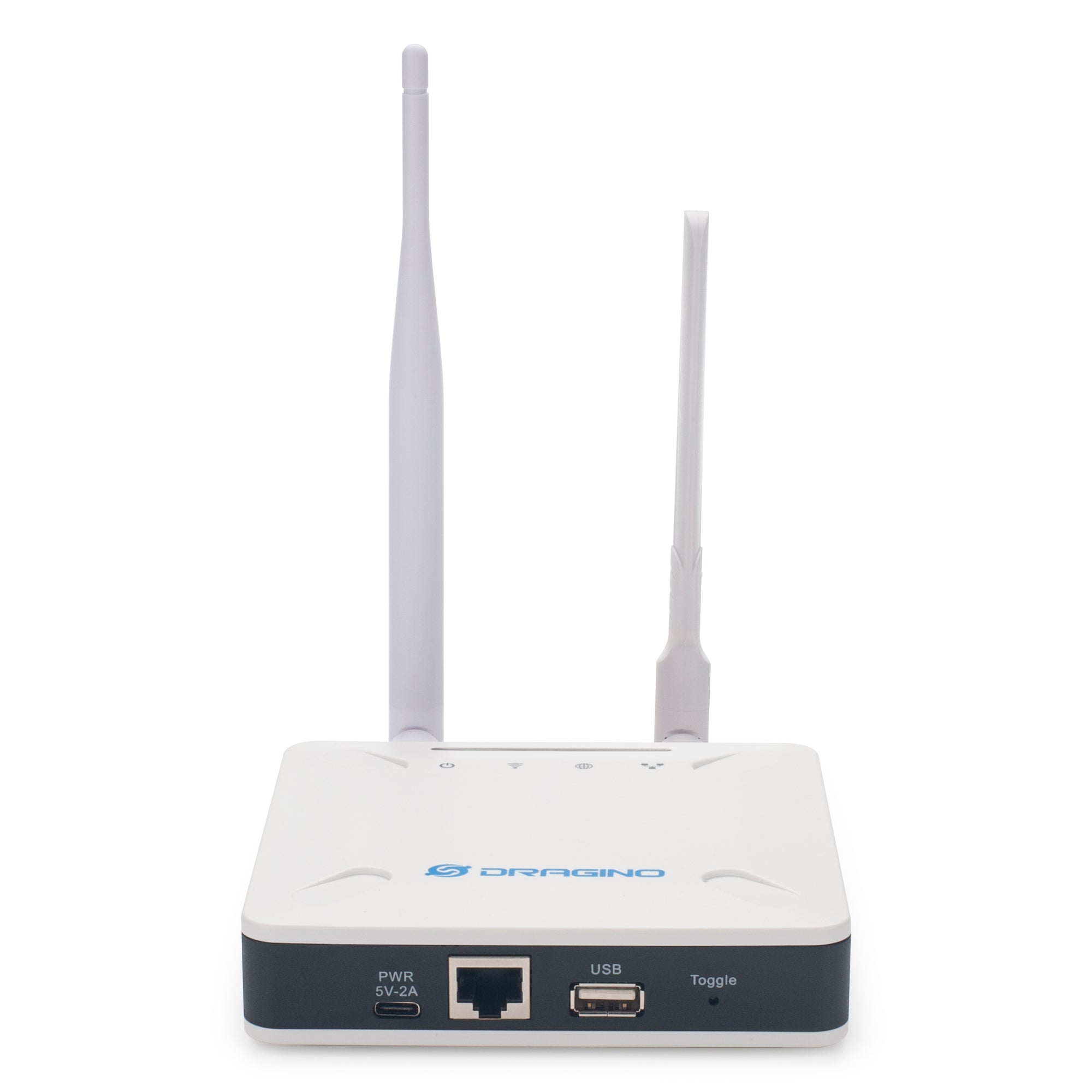
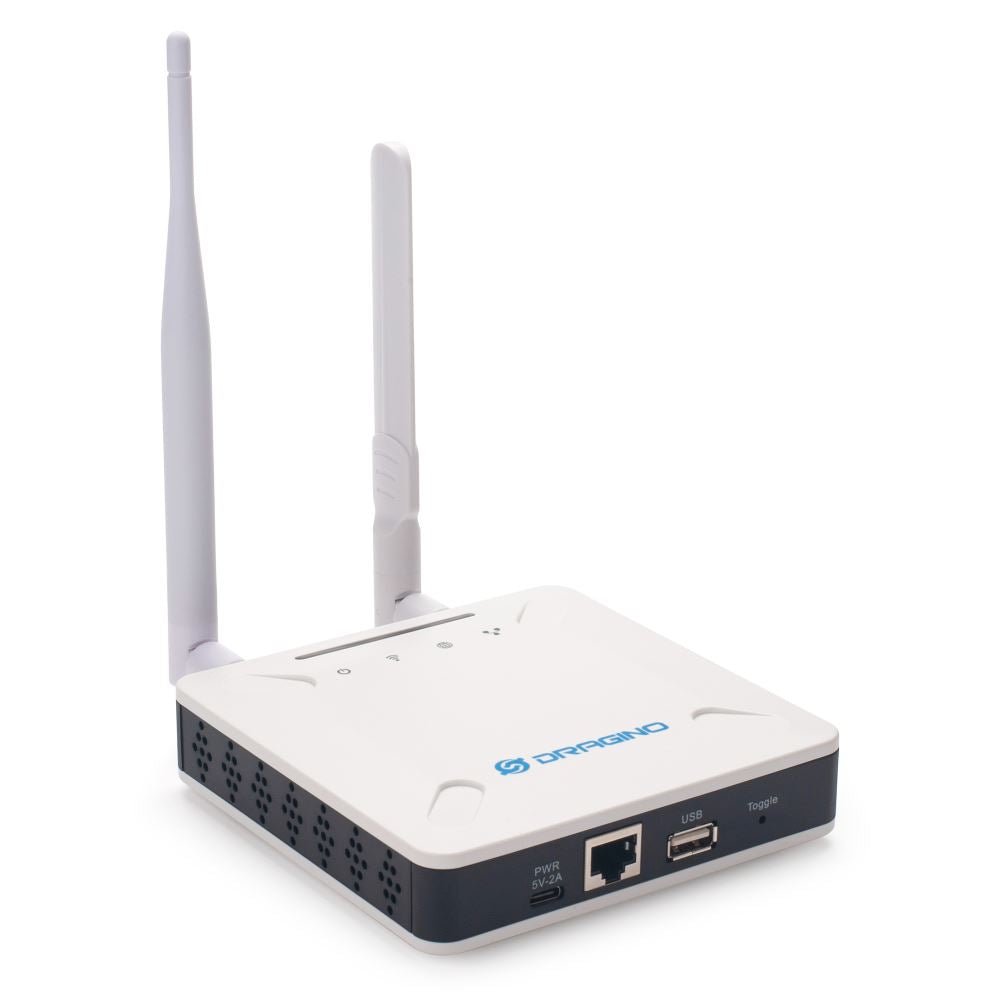
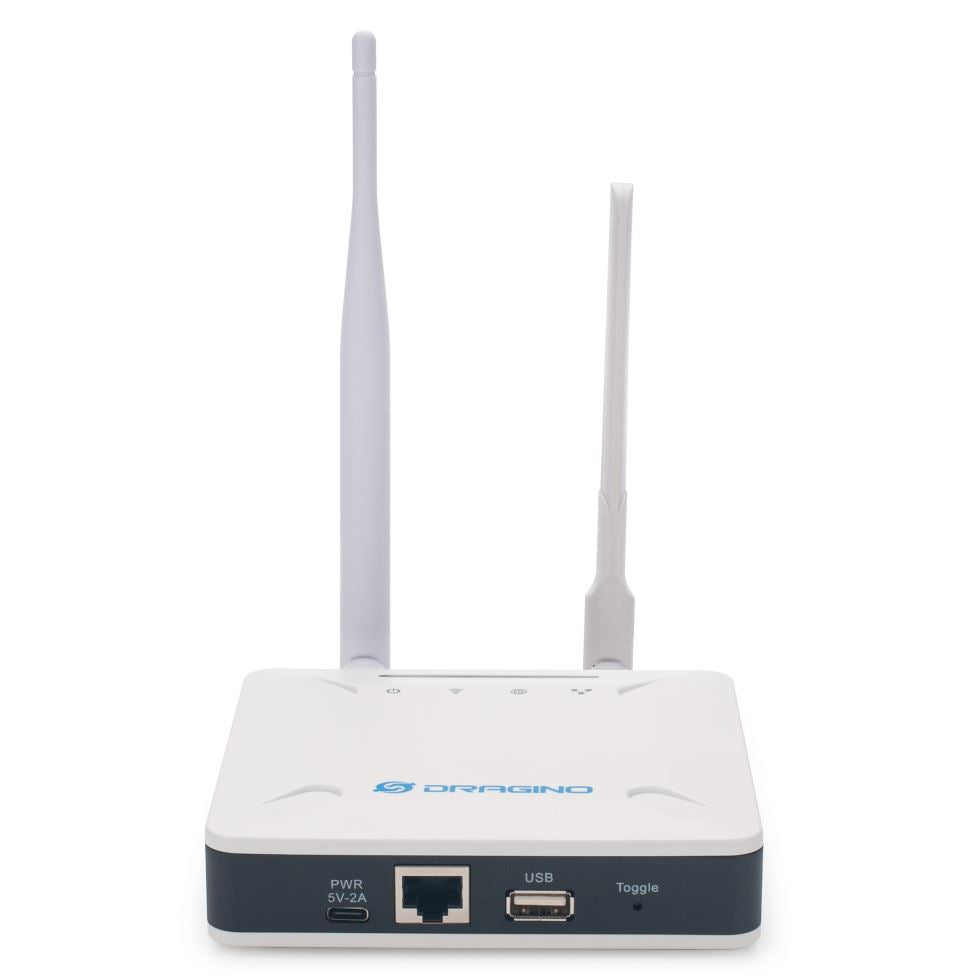
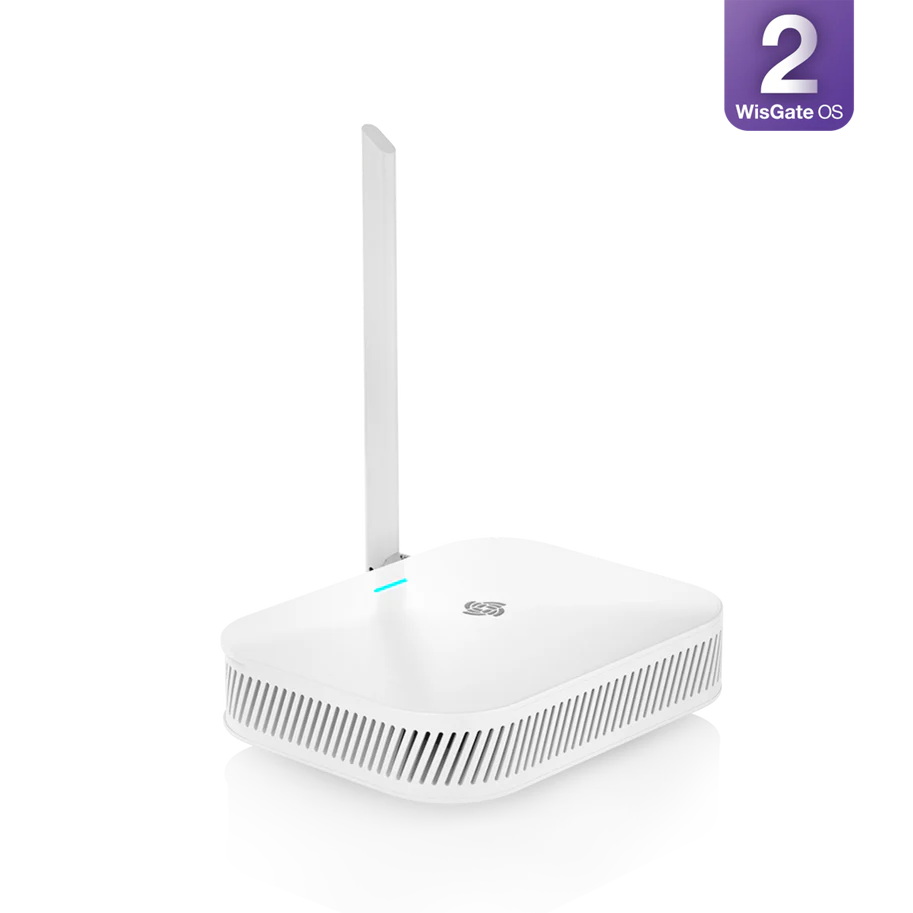
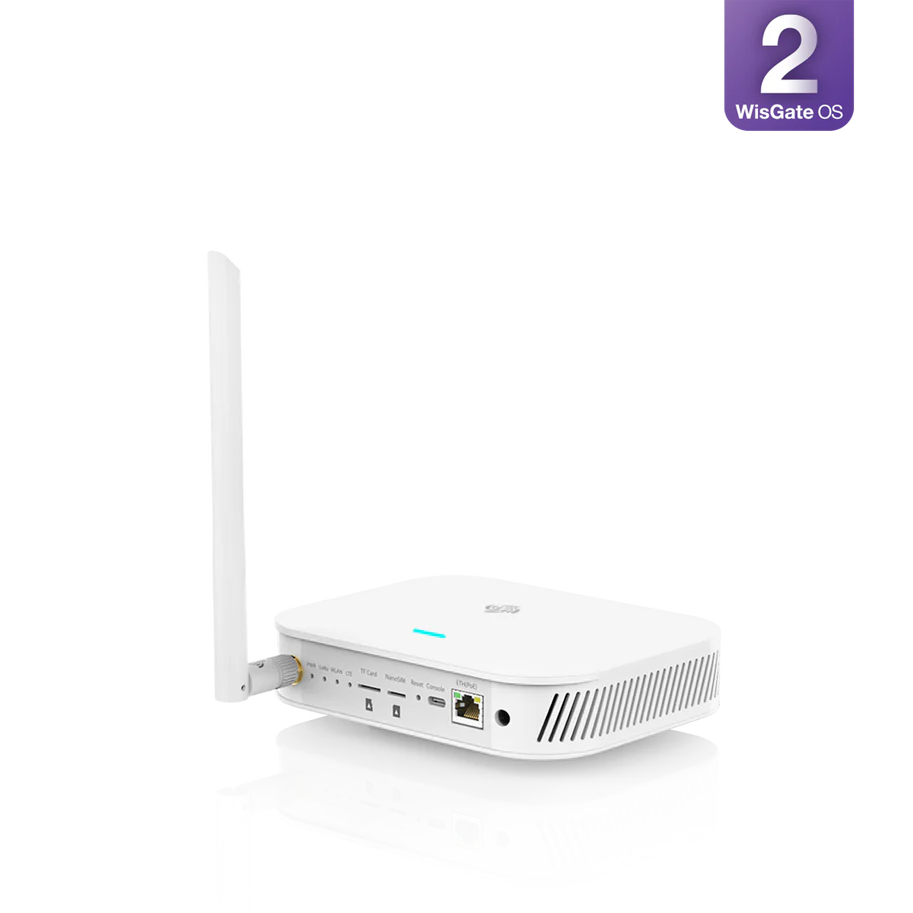
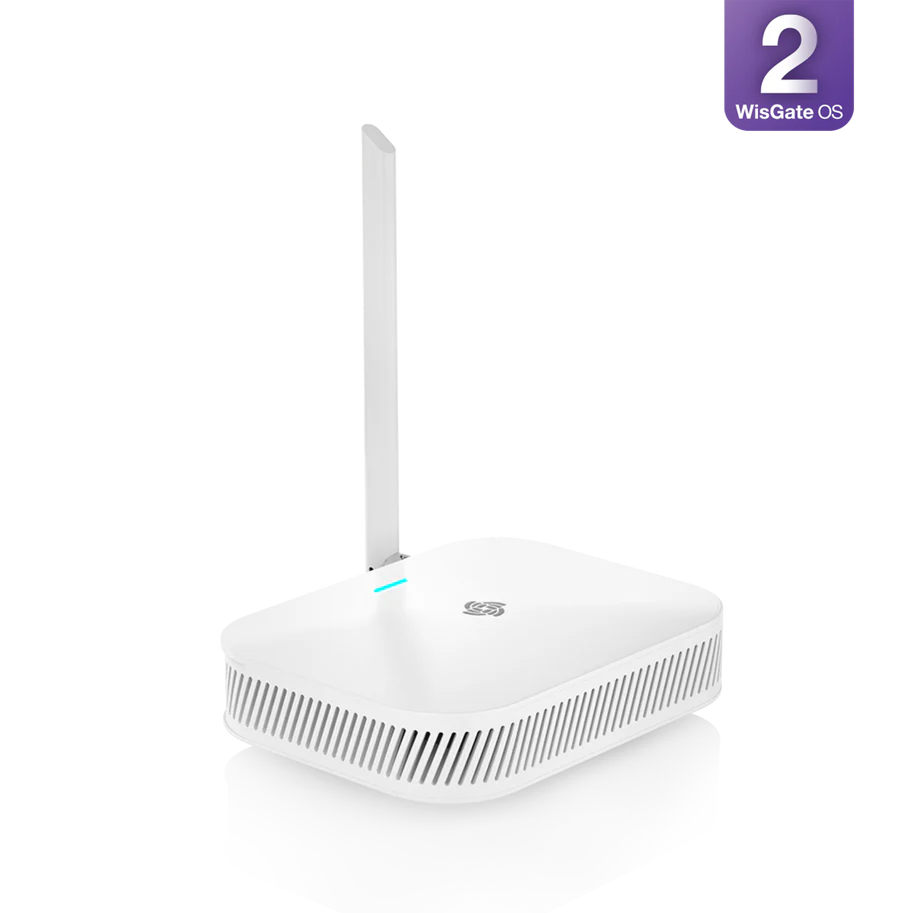
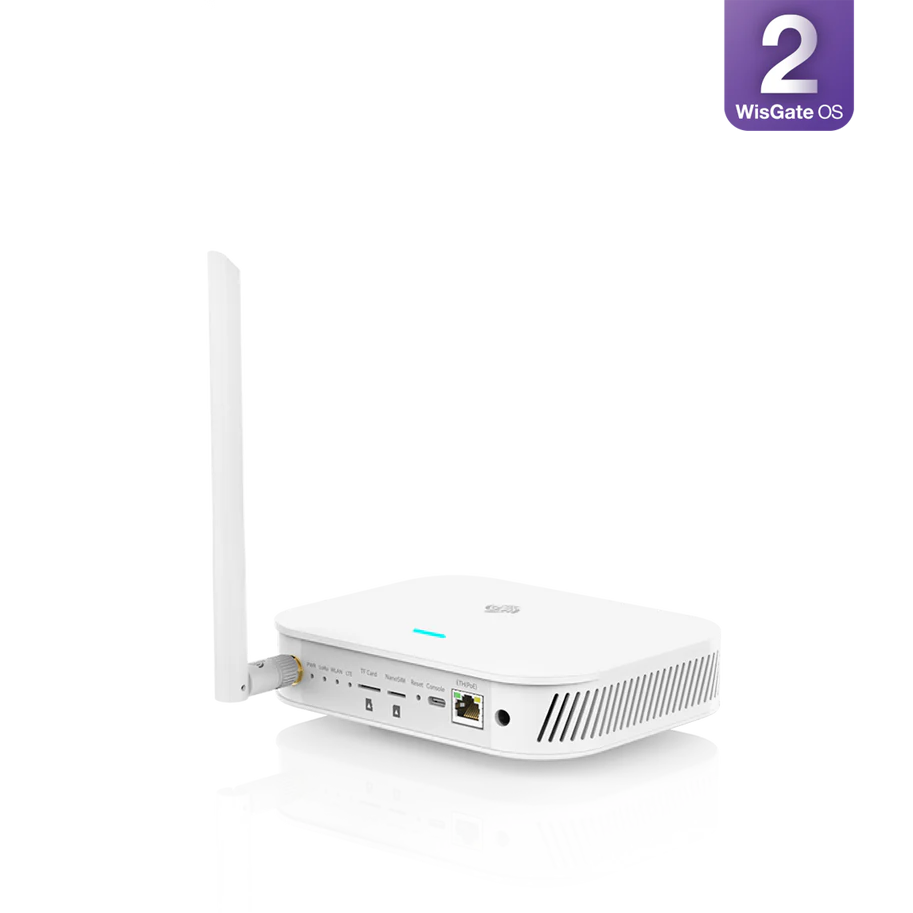
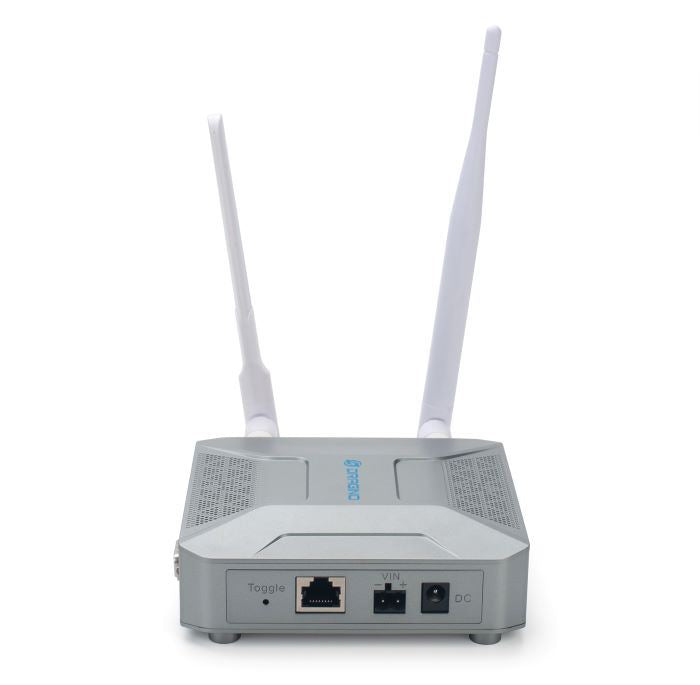
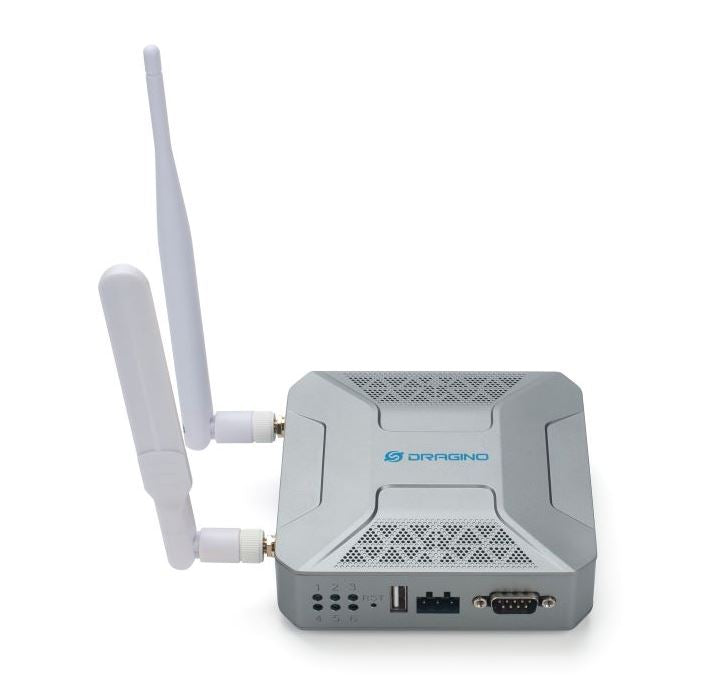
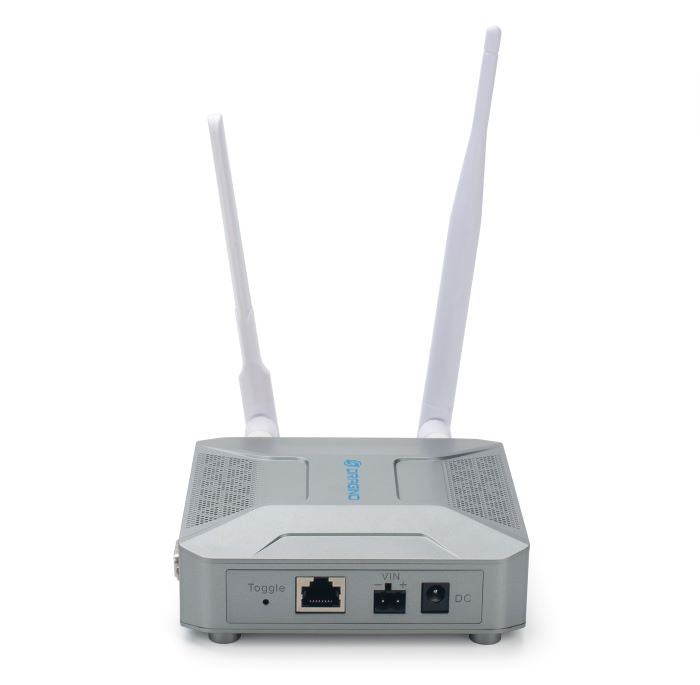
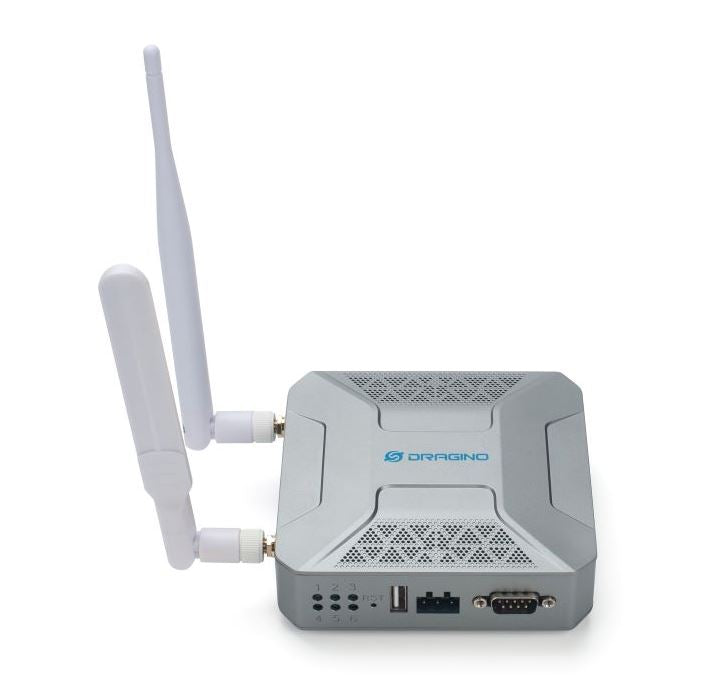
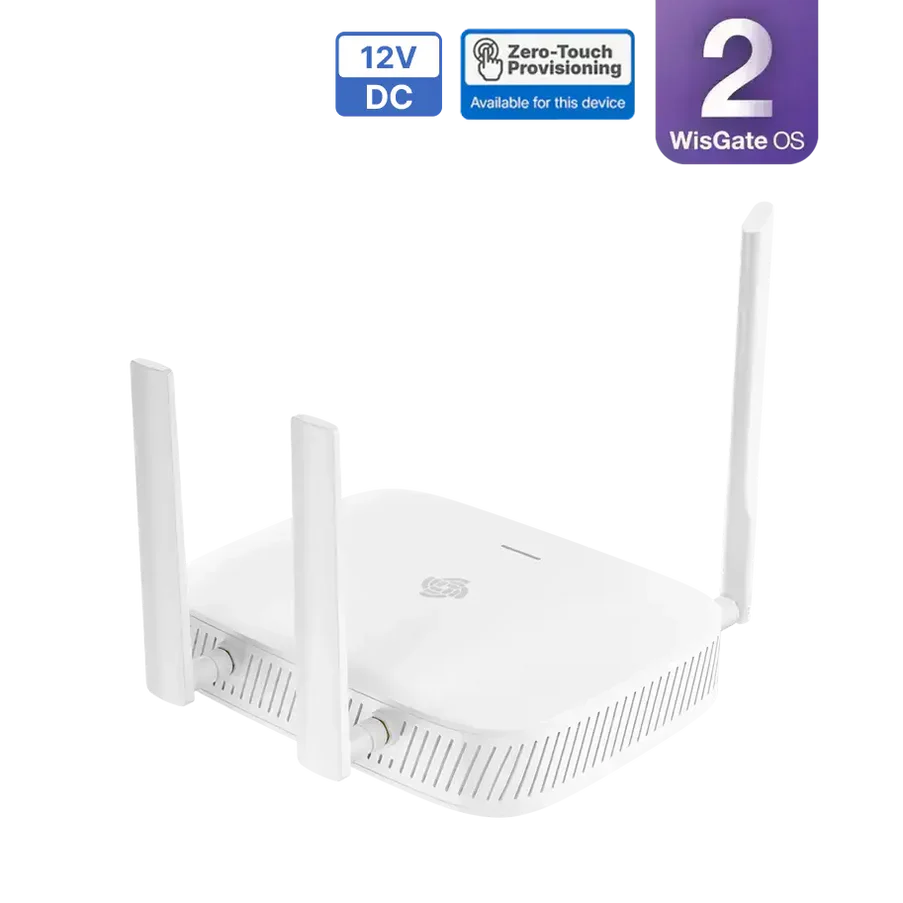
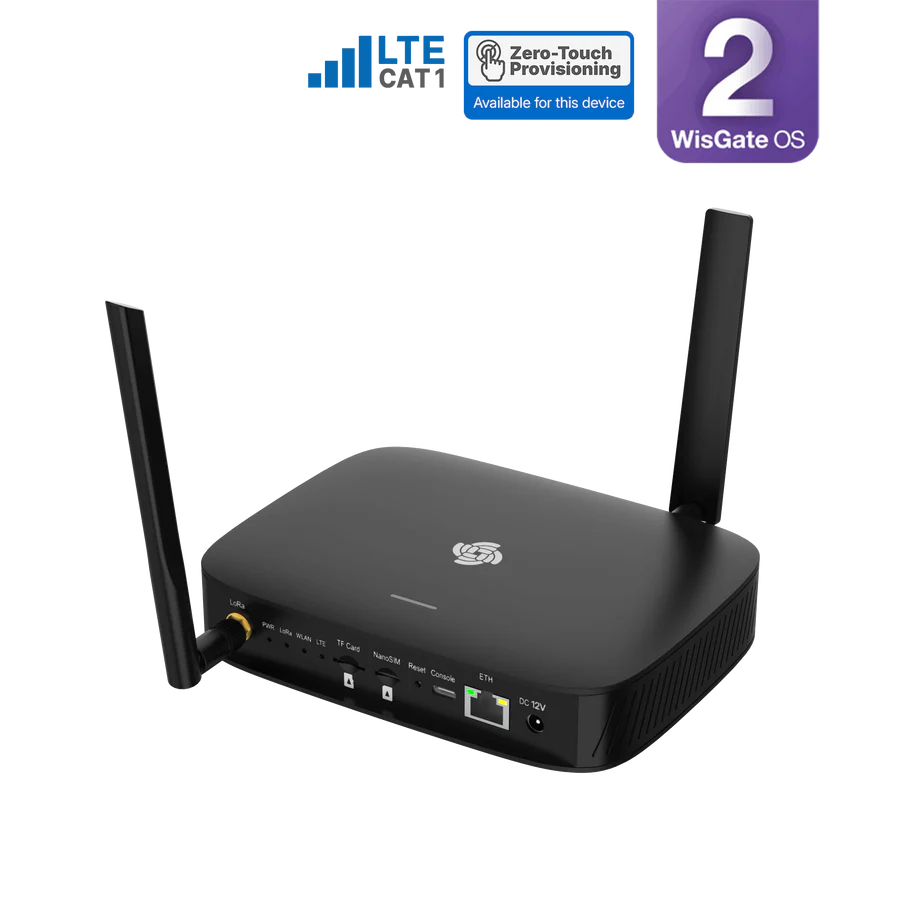
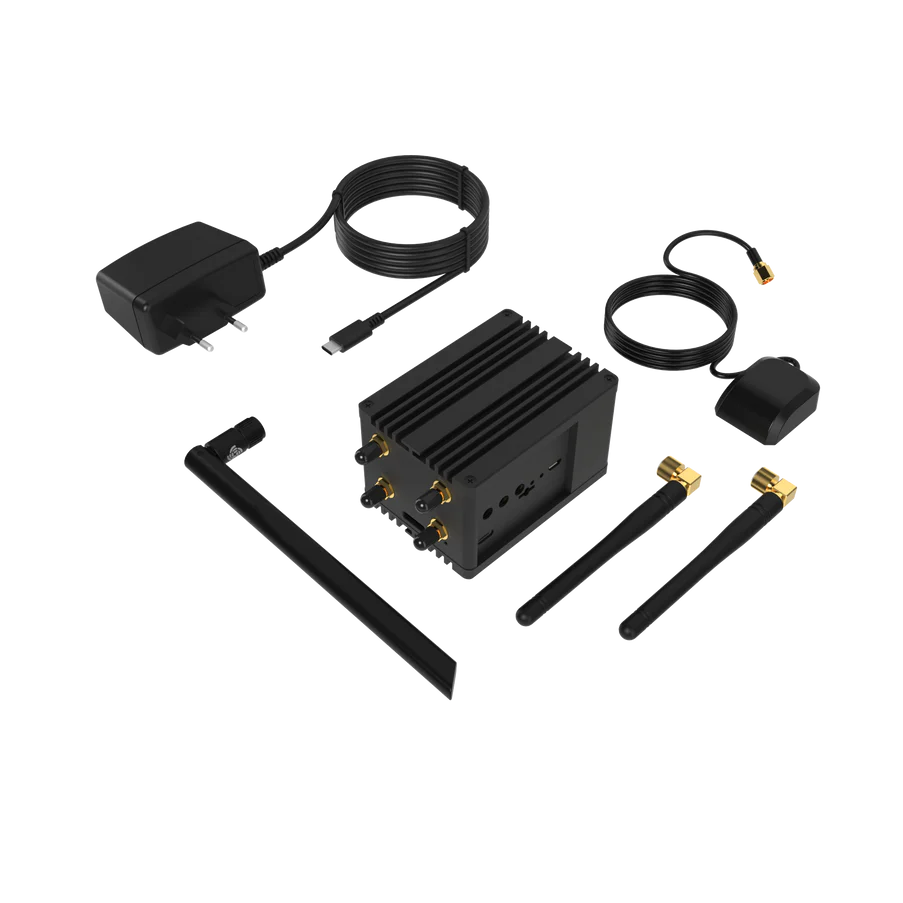
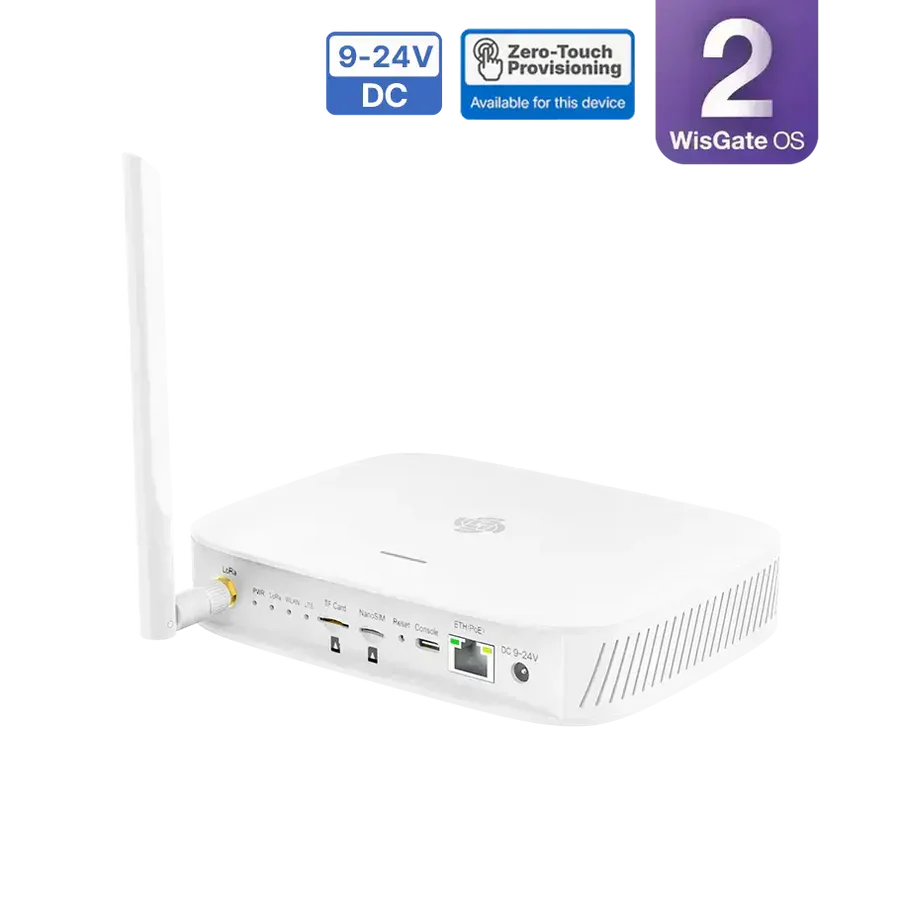
To illustrate this, consider the LPS8v2‑EU868‑E as a sample model. This is an open‑source LoRaWAN gateway that can connect via IP using Wi‑Fi, Ethernet, or cellular (4G module) between devices in the network. It supports various LoRaWAN network types, including Semtech UDP, LoRaWAN Basic Station, and Packet Forwarder. This ensures reliable connectivity between devices.
Since many countries use different frequency bands, all common variants are preconfigured in the LPS8v2‑EU868‑E. This not only simplifies usage but also broadens the gateway’s potential applications.
Another feature of this product is remote management—not all models have this. When you buy a LoRaWAN gateway, this should be on your checklist.
New LoRa manufacturer in our range: meet RAKwireless now
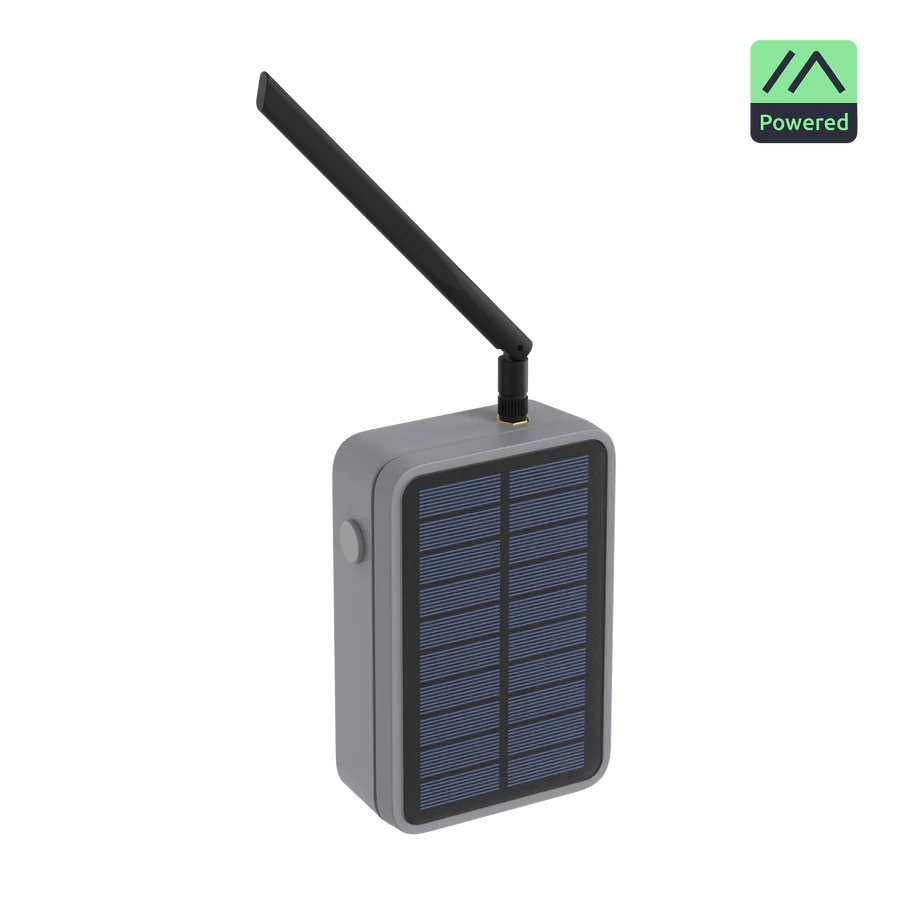
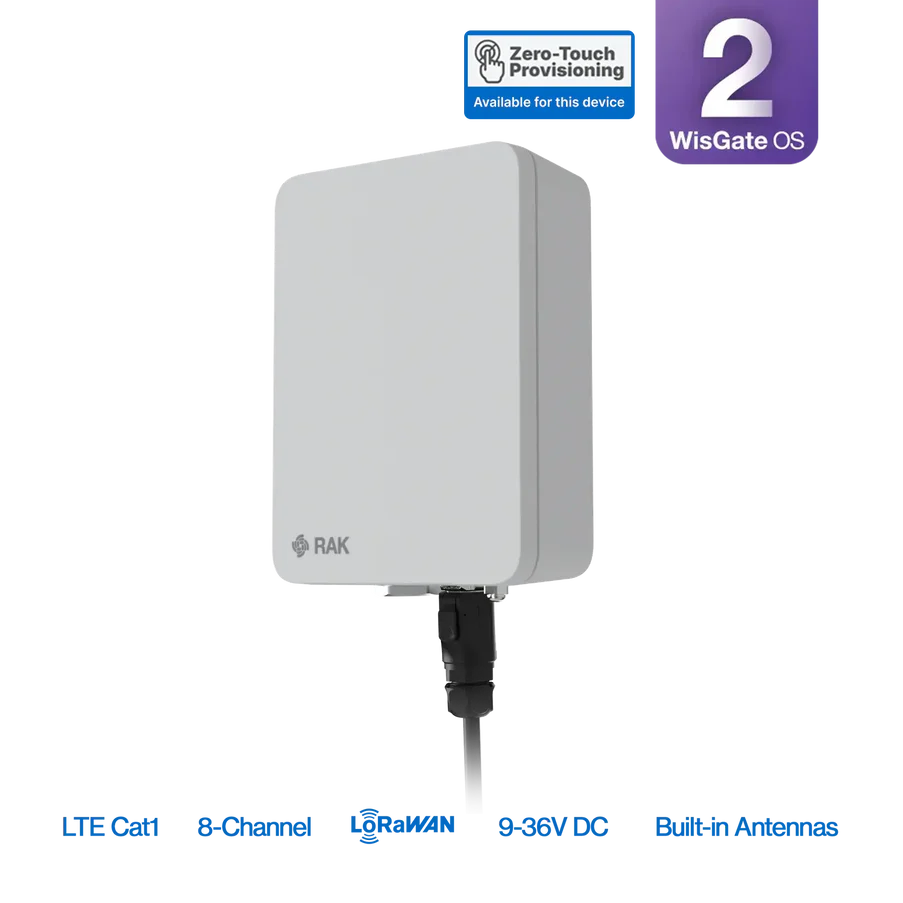
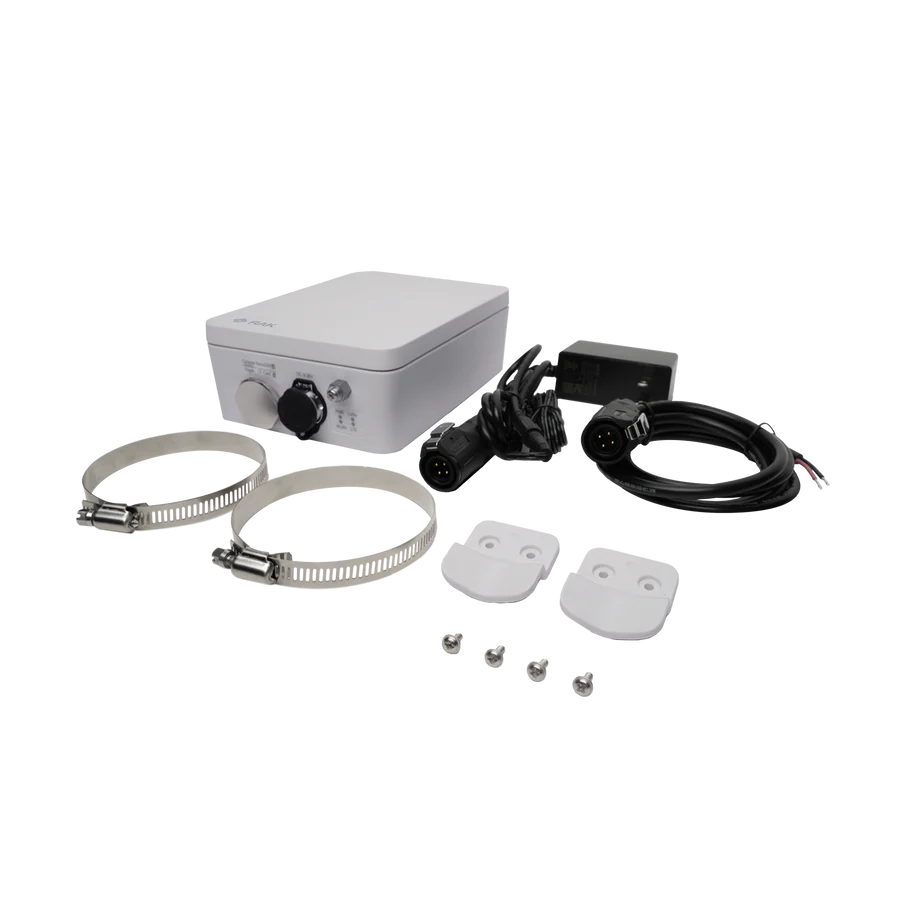
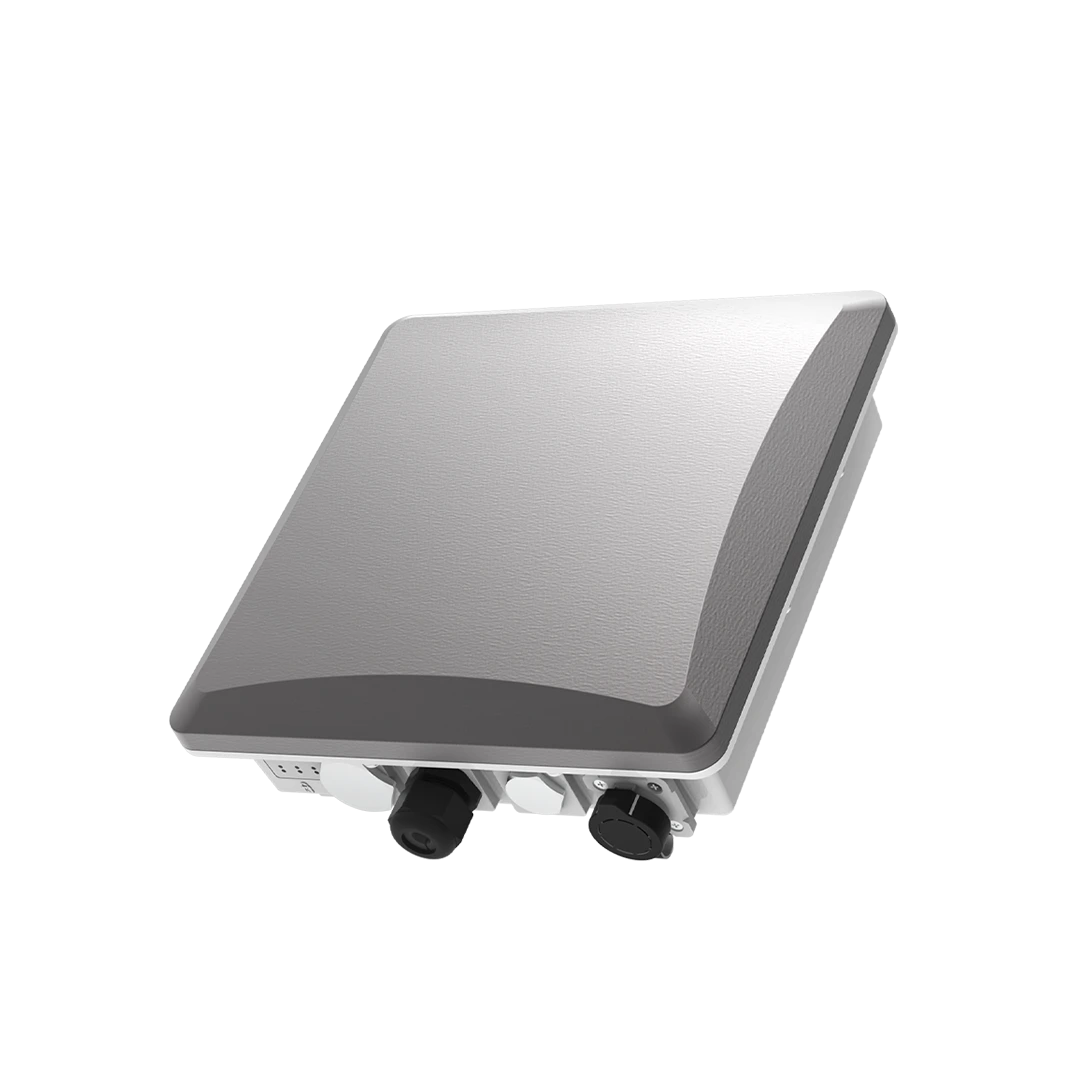
New to our range is the brand RAKwireless. RAKwireless offers a wide range of products and services, including LoRaWAN gateways, sensors, modules, and software solutions for IoT applications. Noteworthy is the LoRaWAN Field Tester, which is essential for verifying network performance, optimizing installation, troubleshooting, and ensuring cost‑effective LoRaWAN deployment. If you're interested in a fully autonomous outdoor LoRaWAN gateway, check out the RAK9155 RAK Battery Plus & Solar Kit. This gateway’s battery is recharged by solar energy. Compared to other brands like Dragino, RAKwireless specializes more in modular solutions for developers and agriculture businesses.